




|

A hot
topic for many gardeners and the focus of a lot of time and
attention throughout the growing months is pest
control - basically managing how you can enjoy your crops
and flowers before something else gets them first! If you are tired of nursing
your seedlings and prize plants only to find that battle ensues the
minute you plant them out then there are a multitude of ways to
tackle the various pests to blame.
I like
to try and avoid the situation in the first place - by
understanding the life cycle of a particular problem pest you begin
to see where a window of gardening opportunity lies. For instance Carrot Fly is
most active in late spring so if you delay sowing your carrots
until early summer you can try and avoid the first attacks. Similarly, potato cyst
eelworm is most active in midsummer so perhaps look at growing
early varieties.
Another
way of keeping on top of any problems lies in good cleanliness, as
pests can feed or shelter where opportunity presents itself and
also be diligent and removing any pests before they have the chance
to cause major damage or breed and multiply. This applies to most
pests but can be more effective by choosing which time of day or
night to do it. We all
know slug hunting is best at night because that’s when they
are visible but if you are looking to catch caterpillars on your
brassicas then go out when the morning is still cool, as this is
when the caterpillars are relatively dormant, and shake the stems
as this dislodges the caterpillars that then simply lie on the soil
ready to be removed.
When it comes to full on
battle then there are many
methods and contraptions that can be employed. Creating a barrier is
always a good deterrent and works in many situations. On the large scale you can
put up fences and screens to keep out the more sizable pests such
as deer and rabbits but don’t forget that nets are effective
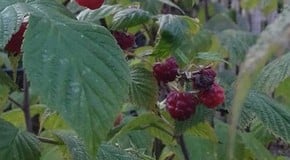
against all sorts of flying pests. If you have or want a fruit
garden then it is worth going to the trouble of setting up an
effective system to prevent the birds getting access to the fruits
as they can easily strip the plants of all their rewards before
you’ve even had a look in. A large mesh net can be secured
onto posts around and over the plants or if you plan on growing
fruits every year then it might be worth investing in a fruit cage
or series of fruit
cages.
Birds can be damaging in
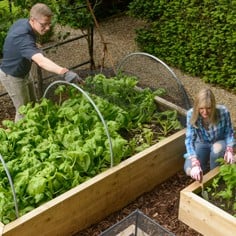
the vegetable garden too so a net over your cabbages can keep
pigeons at bay but look also to netting other crops that may be
susceptible to insect damage as a
fine mesh (down to 0.8mm) can be all that’s needed to
stop carrot fly, pea moth, cabbage white butterfly or thrip. Simply drape the netting
over the crops after sowing.
There
are then many ways of deterring and trapping problem pests such as
wasp traps, sticky fly papers, slug barriers and traps. The
enticement method can help with trapping some creatures, especially
slugs so try some of the cereals and other products available to
catch them in this more crafty way! And if you have larger
pests then using a humane
trap may sometimes be the only answer.
A more recent tactic in
the garden is the use of
biological pest control which introduces nematodes and other
organisms via water into the garden or glasshouse. Put simply, it introduces a
predator species which then ‘controls’ the pest in
question. There are
many now available on the market and each have instructions on the
time of year to apply.
To be
honest there is no single method to eradicating persistent problems
but by using a variety of mechanisms you can minimize the impact
and damage caused.
Perhaps also we should be more accepting of the challenges in
creating our own ‘eden’.
|