







Stephanie's Garden Blog
Welcome to Stephanie's Garden Blog, where we keep you up to date with our gardening exploits and anything of interest in the big wide world of gardening.
Here at Harrod Horticultural, we are involved in so much in the gardening world our blog gives us a great opportunity to share our journey with you.
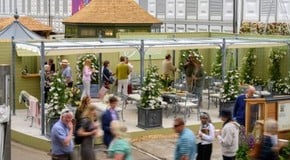
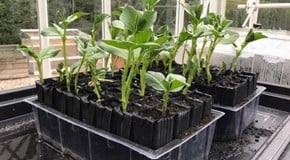
Our popular 'Let's talk about...' series offers great growing advice and tips across a range of fruit and vegetables. We regularly work with guest bloggers, often social media influencers from the gardening world, who provide some great insights into their own gardening and growing adventures. We are closely involved with the RHS and often visit their gardens to see our products and attend the prestigious flower shows with lots of blog posts before, during and after the shows. Alongside all the other blogs we also keep readers updated on new product development, new ranges being launched and general updates from our manufacturing home in Suffolk.
We hope you enjoy reading our blog and take away some useful hints, tips and inspiration for your own gardening journey!