











Soil Testing Kit

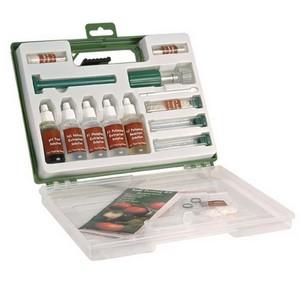
The Soil Testing Kit is an easy to follow system which uses chemical reagents to help you check that fundamental garden data - the state of your soil
Read More
We have recommended some similar products below for you to try instead, or if you would like some more information then please contact us.…
The Soil Testing Kit is an easy to follow system which uses chemical reagents to help you check theat fundamental garden data - the state of your soil.
It's impossible to understate the importance of keeping tabs on your garden soil and this handy kit - supplied with comprehensive instructions - allows you to test the soil for pH, nitrogen, phosphorous and potassium. Equipped to carry out 10 tests for each of the above, the kit should be used within 12 months of opening, each sampling and analysis takes seconds and results can be instantly obtained using the supplied colour coded test sheet.
The Soil Testing Kit is supplied in a handy carrying case which keeps the contents safe and dry along with enabling you to tour the garden testing at will!
- Soil Testing Kit contains enough chemicals for 40 tests in total
- Use to check soil N, P, K and ph 10 times each
- Supplied in a handy and safe carrying case
- Simple to use
- Full instructions included
- Instant results
- Colour coded test sheet for accurate analysis
- Use within 12 months of opening
- Ideal for both the serious and novice gardener
- Use for vegetable gardens and ornamental borders
- Suitable for lawn use
Product Reviews
This product arrived on time.
It is a little bit fiddly to use but is much better then the capsules and it allows testing for pH as well as NPK.
It seems to be accurate in analysis for these elements, which are really important to understand before the growing season.
All in all I would recommend.
If you take on a new garden or allotment, then you'll want to improve it and get the most from it.
And since the basis of all growing is the soil, knowing what your soil is like is critical to success.
This kit covers the 'big three' nutrients - NPK - and the pH.
The instructions are comprehensive and clear.
The kit comes with all you need in the way of reagents, tubes etc and good comparison cards to measure the results against.
Even if you've had a plot or garden for some time, it's worth finding out how the soil is so you can compensate any deficiencies.
5 stars from me!.
Our Martin Fiddes says; "Finding out the condition of your soil before you sow seeds or plant out is of paramount importance, and that's the case if you're growing vegetables or ornamentals. This handy little carry-around kit will give you accurate results when checking the four key soil conditions; PH, nitrogen, phosphorous and potassium.
"It's the acidity of the soil which is recorded on the familiar PH scale and if the soil is too acidic (low PH) or alkaline (high numbers) then certain plants will struggle, essential nutrients will be chemically locked up and soil borne diseases could flourish.
"Nitrogen is key to good leafy foliage, is demanded by greedy salads and can be easily depleted and leached from the soil; phosphorous is essential for good root development and potassium (aka potash) ensures flowers and fruit develop and taste good too.
"Carry out tests regularly, tailor your soil to your plant needs and you won't look back!"
What The Press Say
Amateur GardeningJanuary 2014
Get to know your soil - Understanding your garden soil is the first step to growing success, says Kris
A test kit for soil pH, nitrogen, potassium and phosphorus levels is £20 well invested, saving you potential plant losses in the garden and giving you a true understanding of your soil.
Gardeners WorldJanuary 2011
Fruit & Veg Project - discover your soil's pH
Featured Product