




Home
Search our Site
Request a Catalogue
Pest Control by Pest

New Natural Choice Pest Control range from Harrod Horticultural

Pest Control by Pest - sometimes it can be a real challenge trying to work out exactly which creature is responsible for munching your valuable fruit, vegetable and ornamental flowering plants, especially when the crime scene - your allotment, kitchen garden or flower bed - isn't giving up any clues. Standing around scratching your head won't find the culprit but a flick through our downloadable (PDF version, 2.65MB) Pest Guide - the Little Book of Pests will give you a shortlist of those you'd like to interview! You'll find information on almost an A to Z of garden pests - from ants and aphids to vine weevil and whitefly – and how to spot them and what to do about them, which is where our new Natural Choice range of completely organic pest control products, all perfectly safe to use around children, pets and wildlife and kind to the environment, comes in.

And If you need a second opinion on your garden pest problems or just can't decide who to blame, then we know a man who can help! We've teamed up with Pest Control Expert Julian Ives to offer you a personal information service; contact him by e-mail or letter and he'll get back to you with the names in the frame and a solution. And if you already have a fairly good idea who - or what - is responsible, our easy to follow, pest-by-pest listing of organic control measures below will lead you to a suitable answer.

So whether it's ants, aphids, carrot-fly, chafer grubs or leatherjackets (the list does go on!) causing you sleepless nights, settle back, scroll through the rogue's gallery we've compiled (filed in pest alphabetical order) and put an end to your garden pest problems the eco-friendly way!

 Let Julian Ives, the Harrod Horticultural Pest Control Expert, help you identify  the culprit and suggest which course of organic pest control action you should take.  E-mail Julian and take the worry out of pest control!


 Request a copy of our 2011 Little Book of Least Wanted Pests - 24 pages packed full of garden pest control advice and solutions!

Ants
Ants
View Product Details
Red and Black Ants - more of a nuisance rather than a destructive, plant damaging presence in the garden, ants can still cause cosmetic problems on lawns and are known to 'farm' aphids for their honeydew and fight off predators in the process - and it's this kind of behaviour which earms them a place on our list! Ants find lawns to be ideal nesting sites and damage is caused by ant mounds, where soil excavated for nests appears on the surface and impedes mowing.

The presence of ant adults on lawns can be unpleasant for children when playing and we don’t particularly want to share our sun-lounger/cool drink/lunch with them either; they’ll also make nests under paving slabs, in flower beds and containers (plants may suffer if ants are nesting in the containers they are growing in) and will sometimes enter houses, usually from early April until late September.

 Learn more about ants in the garden, the problems they cause to gardeners and which course of organic pest control action you should take from Julian Ives, the Harrod Horticultural Pest Control Expert

For more info on Ants, download our Pest Guide - the Little Book of Pests - an invaluable, 24-page booklet packed full of garden pest information and organic control measures! Downloadble PDF version file size 2.65MB.
Aphids
Aphids
View Product Details
Aphids - you may know them better as greenfly or blackfly but the alias doesn't disguise the fact that this pest family is one of the biggest on the allotment, in the vegetable patch or anywhere in the garden for that matter. To give you an idea what the gardener is up against, there are over 500 aphid species in the UK and northern Europe of varying colours and shades; although some are restricted to individual plant types and families, others will feed on literally hundreds of unrelated host plants and most staggeringly of all, they reproduce so quickly that a single aphid could potentially introduce ten million tonnes of offspring in one summer!

Nature ensures that this apocalytical feat is never achieved and we can do our bit to help with sticky traps, fatty acid sprays and an army of natural predators including lacewing larvae and an old friend of the gardener, the ladybird. You'll find them all in our anti-aphid range, designed to make life as difficult as possible for these sap-sucking, virus-spreading, omnipresent garden pests!

 Learn more about aphids in the garden, the problems they cause to gardeners and which course of organic pest control action you should take from Julian Ives, the Harrod Horticultural Pest Control Expert

For more info on Aphids, download our Pest Guide - the Little Book of Pests - an invaluable, 24-page booklet packed full of garden pest information and organic control measures! Downloadble PDF version file size 2.65MB.
Carrot Root Fly
Carrot Root Fly
View Product Details
Carrot Root Fly - stealthy and sneaky, by the time you suspect Carrot Root Fly might be a problem in your vegetable patch, allotment or kitchen garden, it will probably be too late! The creamy white larvae are only around 10mm in long but can cause extensive damage to carrot, parsnips and celery if you're not prepared for them and the two to three generations or adults which zoom in under the gardener's radar each year - but with our Natural Choice range of products at the ready, you could yet end up with 24 carat carrots!

That's because our range of Anti-Carrot Root Fly products provide the harassed gardener with the tools to both prevent and cure the annual invasion of Carrot Root Fly. We've sticky traps - orange, of course - to help you monitor numbers and act in good time; a simple but highly effective screen to divert low flying females away from your crops and even hungry nematodes, who will hunt, infect and kill the larvae in the soil before the unseen damage is done.

 Learn more about Carrot Root Fly in the garden, the problems they cause to gardeners and which course of organic pest control action you should take from Julian Ives, the Harrod Horticultural Pest Control Expert

For more info on Carrot Root Fly, download our Pest Guide - the Little Book of Pests - an invaluable, 24-page pest guide packed full of garden pest information and organic control measures! Downloadble PDF version file size 2.65MB.
Caterpillars
Caterpillars
View Product Details
Caterpillars - sometimes you just have to hand it to Mother Nature; if we could sit down with all the 21st Century technology available to us and design the ulitmate plant-destroying machine, the chances are we'd come with a caterpillar - and the larvae of the both the Large and Small Cabbage White butterfly is arguably the most ravenous of all, leaving many a brassica grower staring at a skeleton of a cabbage, brussels sprout or broccoli plant! And it's not just vegetable growers who suffer at the jaws of these voracious larvae; fruit tree fans will be horrified to hear that the larvae of the codling and plum moths are very keen to eat their way to safety in the middle of developing apples and plums, making them very difficult to eradicate.

The news isn't all bad however - thanks to the caterpillar and moth killing nemtodes we stock, and the traps and monitors which give an early warning of potential problems, you can fight back and maybe enjoy your fruit and vegetables after all!

 Learn more about caterpillars in the garden, the problems they cause to gardeners and which course of organic pest control action you should take from Julian Ives, the Harrod Horticultural Pest Control Expert

For more info on Caterpillars, download our Pest Guide - the Little Book of Pests - an invaluable, 24-page booklet packed full of garden pest information and organic control measures! Downloadble PDF version file size 2.65MB.
Chafer Grubs
Chafer Grubs
View Product Details
Chafer Grubs - this lawn-wrecking grub – the juicy, and frankly unattractive, larvae of the chafer beetle - will happily munch through the roots of your lawn causing swards of damage in the form of yellowed turf. The larvae can be up to 30mm in length, making a real jumbo-sized and apparently very tasty snack for the local bird, fox and badger population – which is bad news for the gardener. They'll happily dig up your lawn in search of these gourmet treats and cause even more damage in the process!

So what can the gardener do about Chafer Grubs? Firstly, they can try our Garden Chafer Trap, carefully designed to attract and kill adult Garden Chafer beetles in May. Less adults means less grubs and we can shift the focus of our attack to the soil too; the Nemasys Chafer Grub Killer features millions of nematodes who like nothing more than seeking out the grubs and killing them. Don’t suffer with a yellow lawn – get to grip with the grubs!

 Learn more about Chafer Grubs in the garden, the problems they cause to gardeners and which course of organic pest control action you should take from Julian Ives, the Harrod Horticultural Pest Control Expert

For more info on Chafer Grubs, download our Pest Guide - the Little Book of Pests - an invaluable, 24-page pest guide packed full of garden pest information and organic control measures! Downloadble PDF version file size 2.65MB.
Fungus Fly
Fungus Fly
View Product Details
Fungus Fly - also known as the Fungus Gnat or Sciarid Fly, the larvae of these tiny flies can do untold damage to young seedlings by feeding on new roots and providing an opening for disease and fungi to take hold. Plants in seedlings and polythene tunnels are equally at risk and if you enjoy raising your fruit, vegetables and ornamentals from seed, you'll need to take action against this minute pest.

Preventing clouds of adult flies building up - and they can take some responsibility for indirectly killing your seedlings as they spread fungal disease spores and plant viruses - is possibly thanks to our Natural Choice organic pest control products. We've got the tried and trusted sticky traps - guaranteed to trap adult flies and give you an idea of numbers present - along with the hard-hitting, nematode-based Fungus Fly Killer which dine out on the tiny larvae and break the lifecycle. Long live your seedlings!

 Learn more about fungus fly in the garden, the problems they cause to gardeners and which course of organic pest control action you should take from Julian Ives, the Harrod Horticultural Pest Control Expert

For more info on Fungus Flies, download our Pest Guide - the Little Book of Pests - an invaluable, 24-page pest guide packed full of garden pest information and organic control measures! Downloadble PDF version file size 2.65MB.
Leaf Beetles
Leaf Beetles
View Product Details
Leaf Beetles - the attractive appearance of this trio of common garden leaf beetles masks the damage and destruction the adults and their greedy little larvae can cause; growers of lilies, fritillaries and various vegetables and herbs, including cabbage, swede and rosemary, should all be on their guard against these beautiful insects.

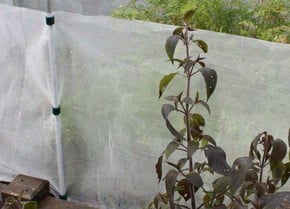
The Red Lily Beetle in particular - one of our plant-munching triumvirate - has long blown a raspberry at gardeners but thanks to the pest control products we've added to our Natural Choice range, those days could well be over. We’ve got insulating fleece and fine grade insect mesh netting to prevent attacks but if the beetles manage to beat these measures, our potent organic sprays should do the job. So if your lilies have taken a lashing, your radishes ravished and your sage pretty much stuffed, you know where to come for help...!

 Learn more about leaf beetles in the garden, the problems they cause to gardeners and which course of organic pest control action you should take from Julian Ives, the Harrod Horticultural Pest Control Expert

For more info on Leaf Beetles, download our Pest Guide - the Little Book of Pests - an invaluable, 24-page pest guide packed full of garden pest information and organic control measures! Downloadble PDF version file size 2.65MB.
Leatherjackets
Leatherjackets
View Product Details
Leatherjackets - The lawn-wrecking larvae of the daddy longlegs or cranefly, known as leatherjackets, are brown/grey caterpillar-like larvae are capable of ruining your lovely green lawn in no time as they greedily feed on the grass roots, causing brown patches of dead grass to develop. And if that’s not bad enough, birds and animals attracted by the juicy grubs below ground will rip up what remains of your lawn to get at the leatherjackets!

To the rescue come the nematodes contained in our completely organic Leatherjacket Killer; when applied directly to the soil, the nematodes head straight for the juicy grubs and enter the body through any pore or opening. The bacteria they spread put a swift end to grass-destroying activities and also saves your wallet from a beating – try comparing the cost of a packet of our Leatherjacket Killer nematodes to that of relaying an entire lawn!

 Learn more about leatherjackets in the garden, the problems they cause to gardeners and which course of organic pest control action you should take from Julian Ives, the Harrod Horticultural Pest Control Expert

For more info on Leatherjackets, download our Pest Guide - the Little Book of Pests - an invaluable, 24-page pest guide packed full of garden pest information and organic control measures! Downloadble PDF version file size 2.65MB.
Mealy Bugs
Mealy Bugs
View Product Details
Mealy Bugs - with their in-built protective covering and crafty positioning on greenhouse plants, Mealy Bugs often escape the effects of insect killing sprays can go about their plant-damaging business unhindered; sucking sap, spreading viruses and secreting honeydew which leads to the growth of sooty moulds. So does this seemingly impenetrable greenhouse pest, keen on greenhouse plants, ornamentals, cacti, succulents and vines, have a weak spot?

The answer to that - thankfully for the gardener - is yes, as the Mealy Bug has been well and truly found out by a native of Australia. Cryptolaemus montrouzierie is a small ladybird with a big appetite for Mealy Bugs and will happily spend the summer months devouring plenty of the pests, wax jackets and all. The larvae of this Antipodean ally is also partial to the bugs and if these two Aussies don't clear up your Mealy Bug problems, there's always our Natural Choice organic pest sprays to fall back on!

 Learn more about Mealy Bug in the garden, the problems they cause to gardeners and which course of organic pest control action you should take from Julian Ives, the Harrod Horticultural Pest Control Expert

For more info on Mealy Bug, download our Pest Guide - the Little Book of Pests - an invaluable, 24-page pest guide packed full of garden pest information and organic control measures! Downloadble PDF version file size 2.65MB.
Raspberry Beetle
Raspberry Beetle
View Product Details
Raspberry Beetle - when you've carefully trained, pruned, netted and generally nurtured your precious crop if raspberries and are just settling down a fresh bowl of the delicious, home grown fruits, the very last thing you want to find sharing your treat is the 8mm long white larvae of the Raspberry Beetle! Unfortunately, the raspberry is where these pests hang out and as they make their way to the centre of the fruit, there's every chance you'll find a most unwanted guest.

Fortunately, our Natural Choice range of pest control products features a couple of control measures than raspberry growers will find essential. First up is the Raspberry Beetle Trap, carefully designed to lure and catch adult Raspberry Beetles and also give you a good idea of the threat to your crop. Once you know just what the adult beetles are up to, you can hit them with the second part of our Raspberry Beetle control measures, the Insect Killer Spray. A few good squirts of this completely organic spray at just the right moment will wipe out adults before they lay eggs and hopefully allow you to eat your precious crop alone!

 Learn more about Raspberry Beetle in the garden, the problems they cause to gardeners and which course of organic pest control action you should take from Julian Ives, the Harrod Horticultural Pest Control Expert

For more info on Raspberry Beetle, download our Pest Guide - the Little Book of Pests - an invaluable, 24-page pest guide packed full of garden pest information and organic control measures! Downloadble PDF version file size 2.65MB.
Scale Insects
Scale Insects
View Product Details
Scale Insects - possibly at the other end of the importance 'scale' for many gardeners, Scale Insects are nevertheless a real pest to greenhouse growers, house plant keepers and those of us who like to cultivate ornamental plants such as bay laurels, camellias, geraniums, citrus bushes and many other similar plants. Classified into hard and soft groups, these immobile, heat-loving creatures conceal themselves on the underside of leaves, settle down to feed on the plant, produce honeydew (which leads to sooty mould) and generally make a nuisance of themselves.

Fortunately, we've included in our Natural Choice pest control range two little friends are are rather more keen on scales than us gardeners; step forward the soft scale-killing parasitic wasp Metaphycus helvolus, a tiny creature which cunningly lays eggs into the scales and disposes of them; whilst short on table manners but not on appetite is Chilocorus nigritus, a greedy little black beetle which cruches its way through hard scales. As both these handy helpers only spark into life between March and October, our Savona spray steps into the breach until then.

 Learn more about Scale Insects in the garden, the problems they cause to gardeners and which course of organic pest control action you should take from Julian Ives, the Harrod Horticultural Pest Control Expert

For more info on Scale Insects, download our Pest Guide - the Little Book of Pests - an invaluable, 24-page pest guide packed full of garden pest information and organic control measures! Downloadble PDF version file size 2.65MB.
Slugs and Snails
Slugs and Snails
View Product Details
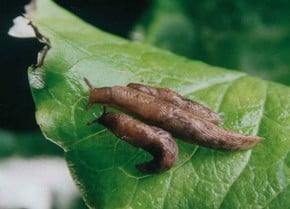
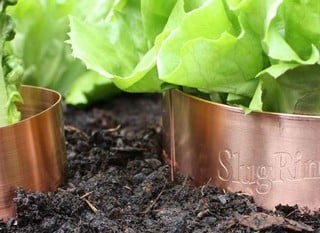
Slugs and Snails - the four main slug species in the UK are the black, keel, field and garden, and all have one thing in common – they want to eat your plants! Long term no.1 in the RHS Garden Pest List pest charts, slugs and snails will happily munch through most vegetable and plant seedlings which emerge in the garden. Given the widespread unpopularity of slugs and snails, it's hardly a surprise that we've uncovered and tested a comprehensive range of products to enable you to choose the best method to reduce your garden population - from hungry nematodes; traps capable of catching in excess of a hundred slugs per night; decorative copper rings and tape to garden-friendly granules - there should be something here to keep those numbers down.

And there's one important thing to remember; all the various Natural Choice products designed to catch, kill or prevent slugs and snails from destroying your garden are all organic. There's absolutely no threat to children or pets, birds and hedgehogs which feed on the slimy creatures will not be harmed and no nasty chemicals will be introduced to the food chain.

 Learn more about Slugs and Snails in the garden, the problems they cause to gardeners and which course of organic pest control action you should take from Julian Ives, the Harrod Horticultural Pest Control Expert

For more info on Slugs and Snails, download our Pest Guide - the Little Book of Pests - an invaluable, 24-page pest guide packed full of garden pest information and organic control measures! Downloadble PDF version file size 2.65MB.
Spider Mite
Spider Mite
View Product Details
Spider Mite - Two-Spotted and Red Spider Mites are high-ranking greenhouse pests and the chagrin of gardeners both under glass and outside as during the summer months spider mites will feed on tomatoes, strawberries and ornamentals, both under glass and in the garden. The results of their feeding can be devastating; viruses are spread as they suck sap, plants are weakened and can eventually die. All round bad news both in the greenhouse and garden!

But help is at hand, in the guise of two hungry little predatory mites which love to dine out on spider mites at different times of the year. Amblyseius sp. takes care of the early shift and can be introduced when temperatures are as low as 12ºC, whilst the heat-loving, greenhouse-dwelling Phytoseiulus persimilis enjoys munching through as many as 25 adult and immature spider mites a day. Back up this lethal duo with our tried and trusted Savona spray and our Natural Choice range has all you need for a spider mite-free growing year!

 Learn more about Spide Mite in the garden, the problems they cause to gardeners and which course of organic pest control action you should take from Julian Ives, the Harrod Horticultural Pest Control Expert

For more info on Spider Mite, download our Pest Guide - the Little Book of Pests - an invaluable, 24-page pest guide packed full of garden pest information and organic control measures! Downloadble PDF version file size 2.65MB.
Vine Weevil
Vine Weevil
View Product Details
Vine Weevil - the notorious larvae of the vine weevil is a root-munching regular in the top five on annual lists of gardeners’ most hated pests. These creamy coloured, soil-dwelling grubs feed on the roots of pot and border plants along with strawberries and cause extensive damage, often resulting in the death of the plant. Adult weevils also get in on the act by nibbling the edges of leaves but it’s the larvae that pose the real threat to plants.

But help is at hand in the form of Steinernema kraussei, a nematode on a mission to seek and destroy and a key player in our Natural Choice range of pest control products. The grubs are quickly located by these tiny microscopic worms and the nematode wastes no time entering the larvae and releasing bacteria, resulting in death. Apply at the correct time of year (March and autumn) and your vine weevil worries could be a thing of the past!

 Learn more about Scale Insects in the garden, the problems they cause to gardeners and which course of organic pest control action you should take from Julian Ives, the Harrod Horticultural Pest Control Expert

For more info on Vine Weevil, download our Pest Guide - the Little Book of Pests - an invaluable, 24-page pest guide packed full of garden pest information and organic control measures! Downloadble PDF version file size 2.65MB.
Whitefly
Whitefly
View Product Details
Whitefly - the scourge of greenhouse gardeners, the presence of whitefly is indicated by white scales on the underside of the leaves and quite often, a white cloud of flies will take to the air if an infested plant is touched. Affected plants can develop viruses and sooty mould as the sap-sucking experts secrete honeydew onto leaves. It's not just greenhouse growers who need to watch out for this airborne pest; you'll find brassicas are equally at risk during the summer months.

The hero of our Natural Choice pest control range is a tiny parasitic wasp named encarsia formosa. The wasp will lay its eggs directly into the whitefly scales which are commonplace on the underside of leaves; the eggs then hatch and feed on the pupating whitefly inside, turning the scale black before the adult encarsia emerges. We've also got some highly adhesive yellow traps - the whitefly equivalent of a red rag to a bull - which will claim plenty of early fliers and give you fair warning of the scale of the raids to come.

 Learn more about Whitefly in the garden, the problems they cause to gardeners and which course of organic pest control action you should take from Julian Ives, the Harrod Horticultural Pest Control Expert

For more info on Whitefly, download our Pest Guide - the Little Book of Pests - an invaluable, 24-page pest guide packed full of garden pest information and organic control measures! Downloadble PDF version file size 2.65MB.
Newsletter Sign Up
Buy fruit cages, garden supplies and greenhouse equipment online from Harrod Horticultural (UK).
e-commerce by screen pages